JConnelly Insights
What Barbie’s New Curves Mean for Brand Image Management
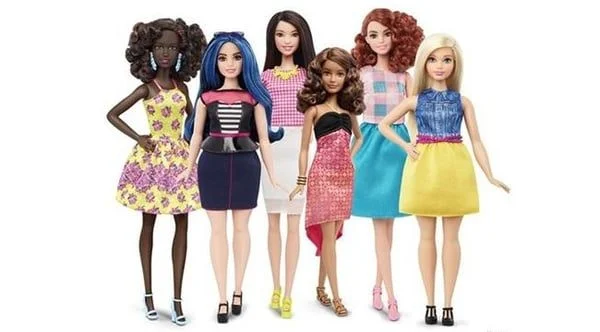
Barbie has three new body types: curvy, tall and petite. (Image courtesy of Mattel via AP)
When I think fondly of one of my favorite childhood toys, I remember long blond hair, a tiny waste, two small feet that fit perfectly into brightly colored high heels and an upper torso that—well—speaks for itself. Little girls of today may describe their version of Barbie slightly differently.
You likely have heard by now, or may have even purchased one of the new body types Mattel unveiled for its iconic doll. Mattel’s former powerhouse brand, according to the New York Times, has been experiencing a dramatic decline in sales in recent years. The article reported that third quarter sales in 2015 plummeted 14 percent from the same period a year earlier.
Progressing Your Image
A longstanding brand like Barbie, which has been around for over 50 years, has faced the inevitable challenge of having to adapt its image as trends come and go and societal values develop and change over time. Barbie has certainly had her share of career changes over the years from “Ballerina” to “U.S. Army Medic,” demonstrating to girls that they have the ability to be whatever they want when they grow up (although, it seems my priority in 1992 was to have gorgeous, crimped blond hair like my favorite, “Totally Hair” Barbie).
Body image issues are a huge concern as photo-shopped silhouettes grace the cover of magazines and unattainable physiques are ubiquitous in advertisements and various forms of entertainment. Recognizing this problem, brands began to evolve their own images to counter this unrealistic standard. A popular example: Dove started its Campaign for Real Beauty in 2004 in an effort to challenge beauty stereotypes.
Barbie’s figure is not surprisingly a big topic of conversation as it relates to this issue. It made sense for the brand to progress towards its new image by introducing dolls of different sizes, races and other physical features that girls may have an easier time relating to.
Not so “Old” Spice
It’s not easy for a brand to transform the public’s perception of its image—especially if it has already made a huge impact on its audience. However, it can be done, and more than once!
Look at Procter & Gamble’s Old Spice brand. Once known for the old-fashioned personal-care products your grandfather used, became the top-selling deodorant among teen guys in 2004, according to Bloomberg. Without changing the product itself, the brand was able to change its impression on customers.
Fast forward a few years. Having to compete with newer and cooler brands like Axe, Old Spice needed a fresh spin on its image (again) and launched The Old Spice Swagger campaign in 2008.
(Do you remember the LL Cool J ad?)
The company took its poorest performing scent—“Glacial Falls”—and rebranded it to “Swagger.” The campaign was a huge victory! “Swagger” ended up being the brand’s best-selling deodorant and body wash scent.
Old Spice teaches us that it’s not always necessary to completely modify what your company offers, whether it’s a product or service, if you can change how your customers or prospects perceive it. Your image carries a lot of weight on your success.
Keep Company Messaging Fresh
The lesson from all these brand stories is that whether you’re a new company or one that has been around for decades, it’s important to assess your messaging to ensure it still encapsulates the image you want your company to have. Are your values still the same? Has your target audience expanded? It may be time to reevaluate how the company presents itself. In the case of Barbie, society’s values changed and body image issues have become an important topic of conversation.
Create a Style Guide
To keep your visual identity consistent across channels, create a style guide that everyone at the company can follow for internal and external materials. This helps avoid confusing your audience and keeps your image intact visually. For example, if you’ve established that your brand is playful and approachable, the guide should include a color palette and font treatment that reflects this.
Enhance Your Website
A company’s website is one of the first places people will go to learn more. Put yourself in your clients’ or customers’ shoes and imagine you are looking at it for the first time. What impression do you get? Do all the fonts, colors and content match the image you want to convey?
Establish Your Social Footprint
After the company website, the next typical place people will try to find you is on social media. Potential clients learn even more about your image by seeing what you post, who you follow, who follows you, and what employees are saying and doing in real time. Keep in mind that a successful social media campaign starts with developing a strategy. Diving in head first without a plan is counterproductive.
Ready for a rebrand? Click the image to download our free ebook for top rebranding tips: