JConnelly Insights
4 Lessons from Lochte: Protecting Your Personal Brand
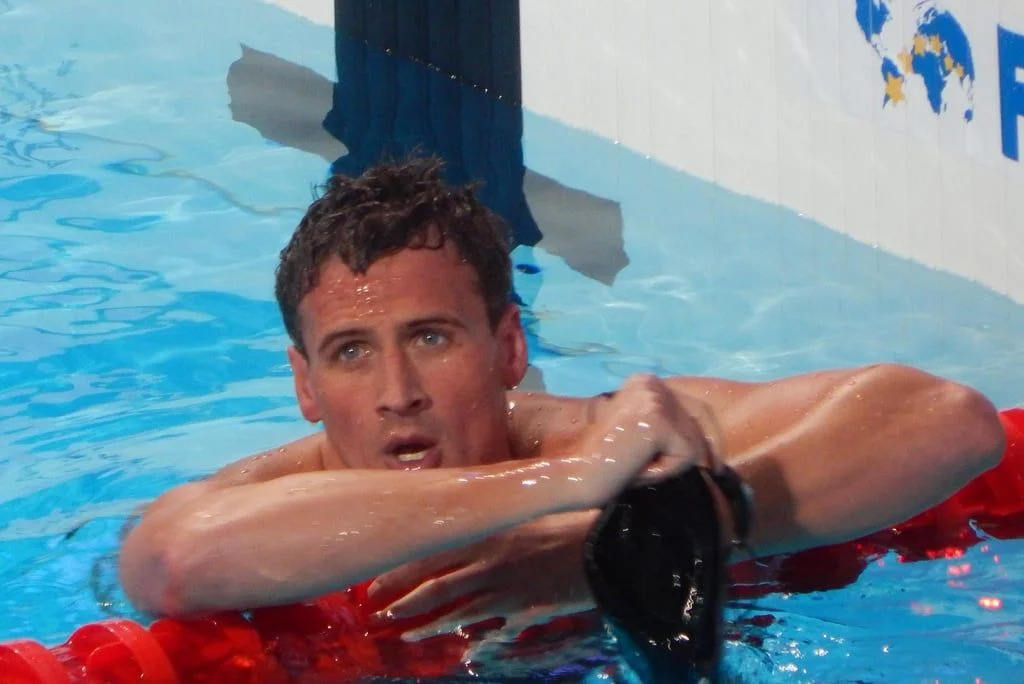 By Chan-Fan (Own work) [CC BY-SA 4.0 (http://creativecommons.org/licenses/by-sa/4.0)], via Wikimedia Commons
Fame brings big rewards. It also comes with outsize responsibilities.
During the 2016 Olympics in Rio, Olympic gold-medalist Ryan Lochte lost all four of his major sponsors—to the tune of $1 million—following a bizarre turn of events that began with an alcohol-fueled all-nighter in Rio and ended with the U.S. swimmer getting caught in a lie while trying to cover up for his bad behavior.
Lochte is hardly the first person—famous or otherwise—to drink too much and then regret it. Without a constant parade of Hollywood DUI mugshots, I’m guessing there would no E! True Hollywood Stories—or the E! Network for that matter.
For the average person, a night of too much drinking might bring, at worst, a nasty hangover and a bruised ego. For a celebrity, it can mean the loss of millions and a tarnished reputation.
Alcohol mixed with celebrity is a potent combination.
When Mel Gibson unleashed an anti-Semitic tirade on a police officer who pulled him over for drunken driving—it fed an existing narrative, one that had dogged Gibson since the actor/director/producer released “Passion of the Christ,” a film many Jewish leaders criticized for its anti-Semitic stereotypes.
Lochte put himself in a similar predicament.
The 32-year-old swimmer spent most of his career playing second fiddle to Michael Phelps, the most decorated Olympian of all time. While Phelps is known for disciplined approach to training, Lochte built his personal brand by wearing silly outfits, bleaching his hair blond and gorging on McDonald’s.
In the end, the episode not only confirmed our worst assumptions about Lochte, it reinforced the worst stereotypes about Americans in general—as stupid and spoiled, with a blatant disregard for the rest of the world.
You don’t need to be an Olympic medalist to get roiled in a similar dust up. Anyone with a prominent profile is vulnerable. Here are some things to think about if you find yourself faced with a crisis—whether alcohol-fueled or otherwise.
1. Know the Narrative
How will the media or public perceive you? Are you the ingénue, the jock, the villain? Take the time to understand the narrative so that you aren’t unwittingly feeding a negative stereotype. Knowledge is power. By understanding the narrative, you will be in a better position to steer the story back in your direction.
2. There are no Secrets
Everyone has a camera and anything you put on the internet will live forever (I don’t care what you say, Snapchat). Remember that before you falsely deny or conveniently “forget” an important fact. As the Ryan Lochte story proves, it doesn’t pay to play fast and loose with the facts.
3. Seek Forgiveness
The public is incredibly forgiving. Share your personal stories and own your mistakes. People will be more willing to give you a second chance if your initial reaction is to take responsibility and admit that you are fallible rather than to lie or obfuscate.
4. Change the Story
You’ve made a mistake and said you’re sorry. Now what? How about putting your experience to good use by counseling others or championing a cause. If you can turn a negative into a positive, you’ll effectively set yourself up success years down the road.
Concerned about your crisis preparedness? Check out our differentiated approach to anticipating and managing crises at jconnelly.com/crisis.